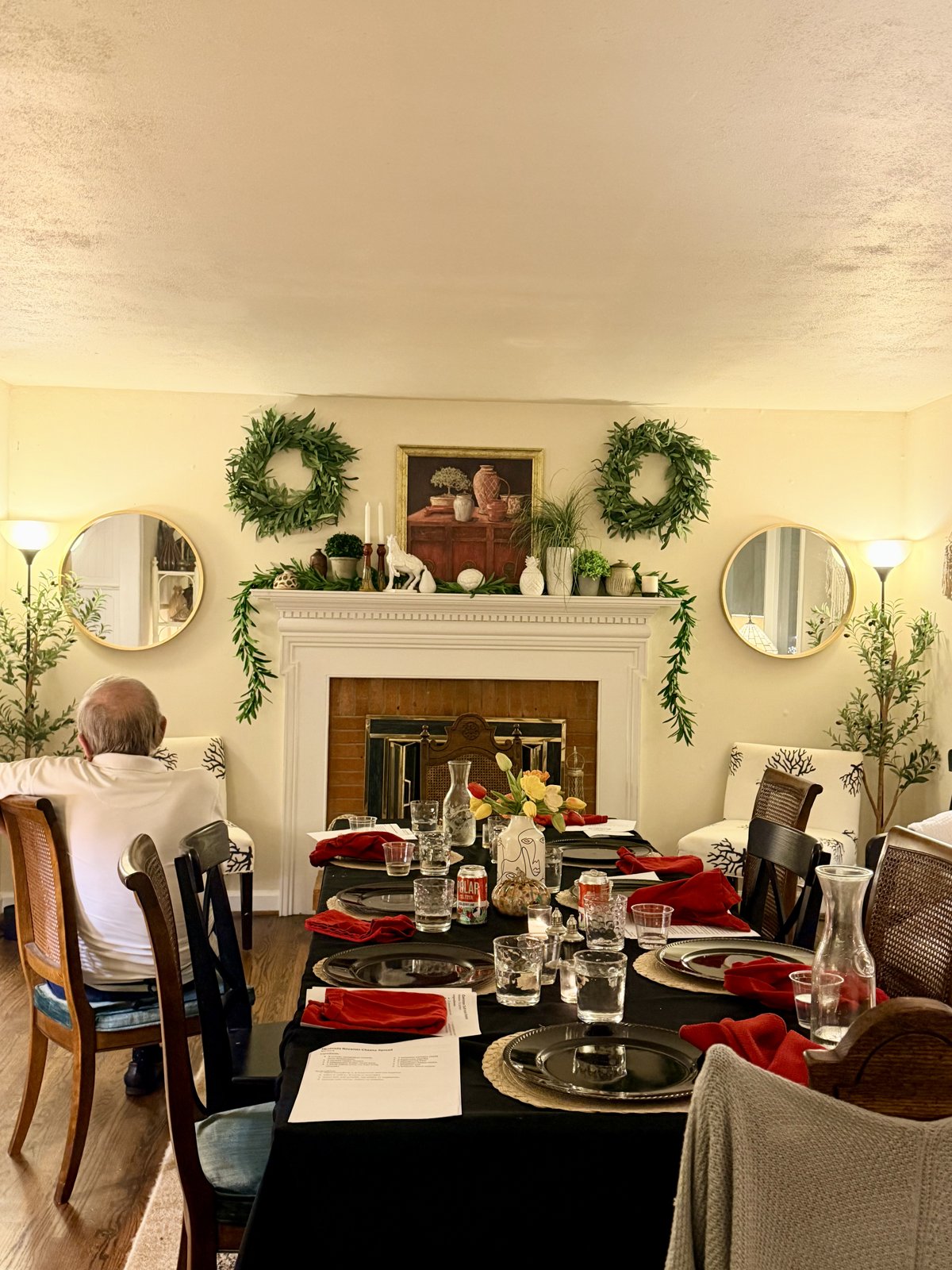
I once watched a guest arrive at a dinner party with a small container tucked into her purse.
She’d eaten before she came. Not because she didn’t want to share the meal, but because she didn’t want to make the host nervous. She knew the choreography: say you’re fine, take a little salad, reassure everyone you’re not difficult, then go home hungry.
I understand why hosts panic, too. They want to be generous. Suddenly a simple menu feels like a test they didn’t study for. Is the dressing okay? Was there something unexpected in the stock? What if I get it wrong?
Here is what I know: the answer isn’t perfection. It’s invitation.
If someone tells you they can’t eat something, thank them. Then ask, “What would make you feel comfortable eating with us?” Don’t make them defend the restriction. Let them be the expert on their own experience.
You don’t need to make five separate entrées to be a good host. Often, the kindest thing is to make the central meal work for everyone: roasted chicken, fish or vegetables; rice or potatoes; a crisp salad with dressing on the side; a sauce people can add if it suits them.
I remember helping plan a supper where one guest needed to avoid gluten and another followed a more specific protocol. The host was ready to make two entirely different dinners. Instead, we made herb-roasted chicken, lemony potatoes, green beans with toasted almonds served separately, and a fruit dessert with little bowls of whipped cream and coconut cream on the side. Nobody had to explain their plate.
Build choices into the meal without making a person the reason for them. Keep the dressing separate. Put the cheese in a bowl instead of over the whole salad. Let people add heat, crunch, bread, dairy or a richer sauce as they like.
A few habits to retire. Don’t say, “Just one bite won’t hurt.” Don’t announce someone’s restriction to the room. And if you’re unsure whether an ingredient works, don’t guess. Read the label, ask the guest, or choose something you can make with confidence.
The kindest thing you can say is often, “I’m glad you told me.”
A dinner party isn’t a performance. It’s an act of welcome. The point is to give people a place to exhale.
More often than not, a beautiful meal begins with a text sent three days ahead: “I’m planning dinner. Is there anything you need me to know?”
If you’d rather have one of our chefs cook it for you, see our Dinner Parties page or call 919-444-2840.
With you at the table.